
Shopping for new tech devices can be a thrilling, yet daunting experience, especially with the vast array of options available. To ensure you make wise choices, setting device priorities before hitting the stores is crucial. This guide will navigate you through the essential steps so you can pinpoint what's truly important for your needs.
Understanding Your Needs
The first step in setting device priorities is identifying what you genuinely need versus what might merely be nice to have. Sierra Mitchell, a tech enthusiast from Austin, breaks down her approach: 'Start by listing daily tasks and responsibilities. If you often work remotely, a laptop with long battery life might be a priority. If travel photos are your passion, a high-quality camera could top your list.' Focus on functionalities that will enhance your lifestyle.
Setting a Realistic Budget
Money plays a pivotal role in tech purchases. Simply put, your budget will guide many of your decisions. Amar Patel, a financial advisor, suggests, 'Before you shop, determine how much you're willing to spend and stick to it. Consider additional expenses like accessories, warranties, and service plans.' Remember, a higher price does not always equate to better suitability for your needs.
Researching Technical Specifications
Take the time to dive deep into the technical specs of devices. Whether it's RAM size, processor speed, or screen resolution, understanding these terms will help you select a device that fits your usage patterns. Nina Caldwell, a tech blogger, advises, 'Compare various models by reading reviews and watching online demos. Knowledge is your ally in tech-buying.'
Comparing Features and Benefits
Once you have your list of potential devices, start comparing their features. Look at what each offers in terms of design, durability, and additional functionalities. George Lin, a store manager, notes, 'It’s not just about fancy features; assess how they add value to your life. For example, do you need face recognition, or is it just a cool tool?' Prioritize practical enhancements over novelty features.
Evaluating Brand Reputation
Brands often reflect reliability. Popular brands tend to have better after-sales support and longer-lasting products. Emma Rodriguez, a customer service expert, states, 'Read customer reviews and forums to gauge brand reputation. A lesser-known brand might offer great features, but check their track record on customer support.' A well-backed product can save future headaches.
Considering Future Tech Trends
Investing in tech also involves foresight. Consider upcoming trends and technological advancements. Alvin Chen, a tech analyst, emphasizes, 'Ask yourself if the devices can keep up with future software updates or if they’ll become obsolete.' Your tech should evolve with time, adding longevity to your investment.
Making Sure It Fits Your Lifestyle
While specifications are essential, ensure the device complements your lifestyle. 'Portability mattered more to me than screen size,' shares Leah Fitzpatrick, an active traveler. Decide if you need a rugged phone for outdoor adventures or a sleek design for corporate meetings. The best tech fits seamlessly into your day-to-day life.
Testing the Devices Firsthand
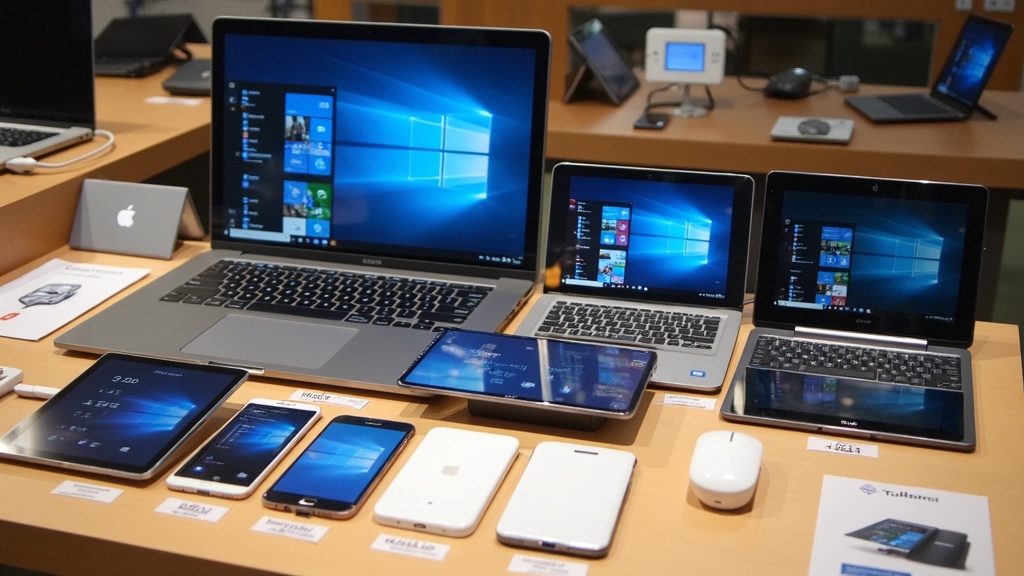
Before finalizing any purchase, we recommend trying out devices in person. Visit tech stores, get hands-on experience, and ask questions. 'I've been surprised by devices that sound great on paper but don't feel right in use,' recounts Oliver Stone, a long-time gadget aficionado. Firsthand trials can refine your choices and solidify your decision.
Finalizing Your Decision
Once you've gone through your checklist and narrowed down your options, make your decision with confidence. Your priorities, research, and evaluations have led you to this point. Harold Whitman, a satisfied tech buyer, concludes, 'Knowing what truly mattered to me made the decision process less overwhelming, ensuring every purchase was a step toward a more streamlined life.' Happy shopping!